RuralCare Innovators LLP

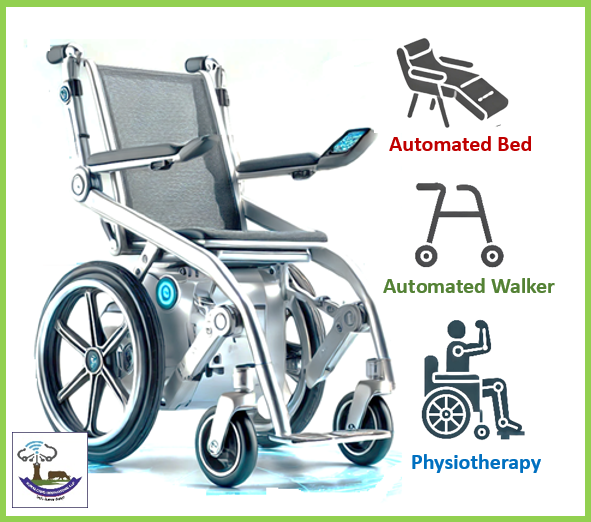
Smart Physiotherapic Wheel Chair

Mobility challenges are rising due to aging, accidents, and congenital disabilities. Recent data shows that 4.7% of individuals aged 21 to 64 and 30% of those aged 75 and older experience movement disabilities. One of the major concerns for individuals with mobility impairments is muscle stiffness, joint pain, and reduced blood circulation, which can lead to severe health complications over time. Physiotherapy plays a critical role in maintaining muscle strength, reducing stiffness, and improving overall mobility.

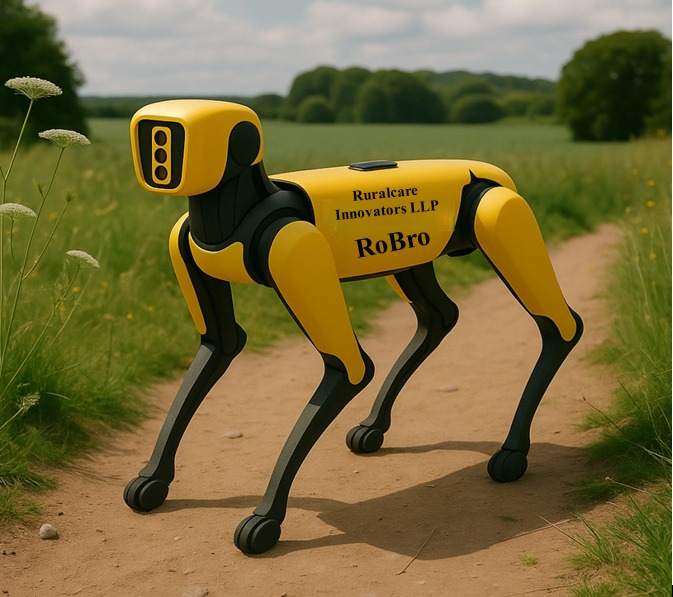
RoBro

In today’s fast-evolving society, emotional and physical isolation is becoming a widespread issue. According to UNICEF, over 40% of urban families in India now prefer having only one child, and studies indicate that 70% of single children often feel lonely, lacking sibling interaction and emotional bonding. At the same time, as per WHO, nearly 20% of elderly individuals suffer from mental health issues linked to loneliness and isolation. India’s 2011 census also revealed that there are over 2.68 crore people with disabilities, many of whom struggle with everyday tasks due to lack of support.

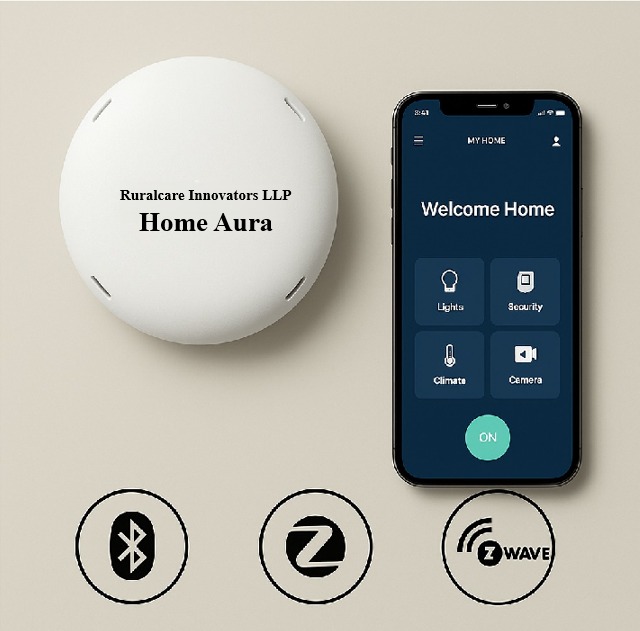
Home Aura

In today’s fast-paced world, over 65% of people are busy with their jobs, either working from offices or from home. Due to their hectic schedules, they often forget to manage basic household tasks like switching off fans, lights, or water motors. This leads to unnecessary energy consumption, higher bills, and inconvenience, especially when no one is available at home.

To overcome this, we are developing HomeAura, a smart mobile-based home automation system that allows users to control their home appliances remotely through their smartphones.

Smart Bin

In today’s urban world, over 62 million tonnes of waste are generated annually in India, yet only 28% is scientifically treated. A staggering 70% of households still mix plastic, organic, glass, and medical waste in a single bin. This not only increases landfill burden but also poses serious health risks to sanitation workers and the environment.

To combat this, we are developing Smart Bin—a smart, AI-powered household waste bin designed to automate waste segregation, reduce moisture, and enable touchless, hygienic

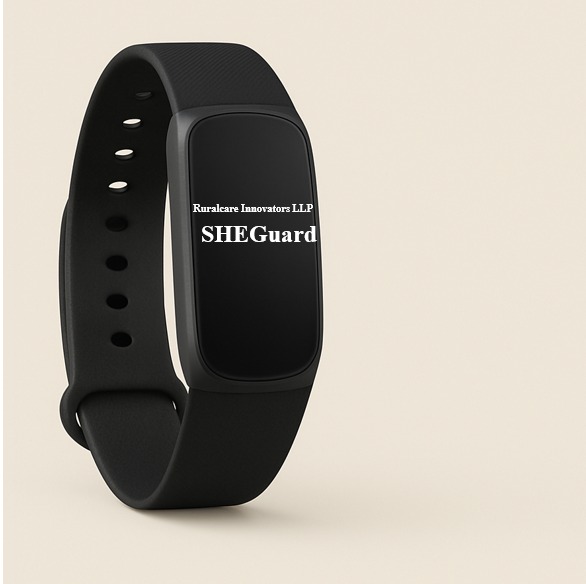
SHEGuard

IIn India, more than 88% of women feel unsafe traveling alone, especially in unfamiliar or low-security areas. With crimes against women rising by 15% annually, there is a pressing need for proactive, AI-driven protection—not just reactive solutions.

SHEGuard is a next-generation smart wearable designed not only to ensure physical safety but also to uplift women emotionally and economically. Equipped with AI-based safety alerts, gait pattern monitoring, and emergency response triggers, the band also supports mental well-being.

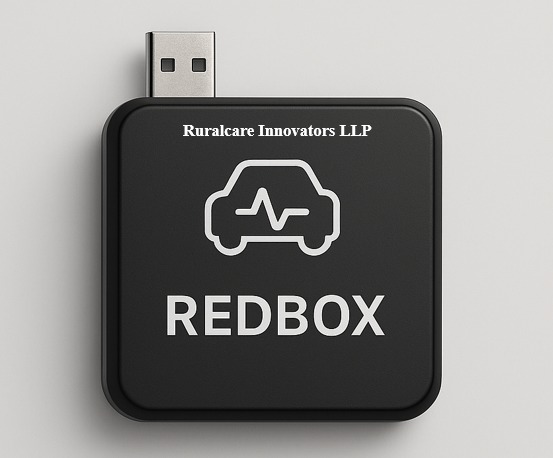
Red Box

India witnesses over 4.6 lakh road accidents annually, leading to more than 1.68 lakh fatalities (MoRTH, 2022). Factors such as over-speeding, tire blowouts, fuel mismanagement, and lack of real-time assistance contribute significantly to this crisis. Unlike aircraft, which are equipped with a Black Box to record events leading up to an incident, most cars lack a similar intelligent system. There's a pressing need for an automotive safety and monitoring solution that not only logs data but also proactively responds during emergencies, especially in rural and semi-

FarmGuard

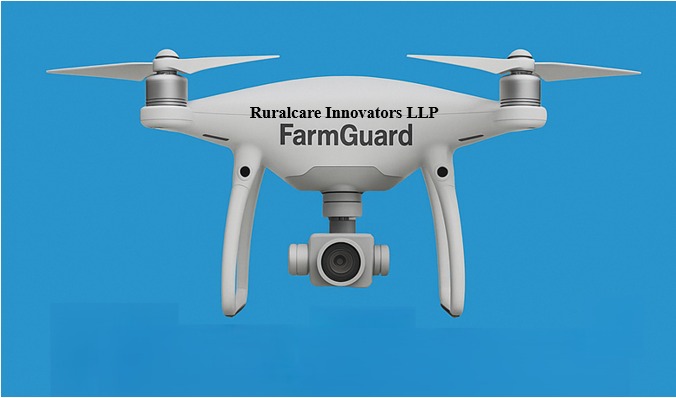
ndia loses an estimated ₹90,000 crore worth of crops annually due to wild animal intrusions, poor crop health monitoring, delayed fertilizer application, and unpredictable weather patterns (ICAR, 2022). In rural and forest-adjacent farming regions, especially in Tamil Nadu, Kerala, and Karnataka, over 35% of farmlands face frequent threats from animals like wild boars, elephants, and stray cattle. Simultaneously, 25% of yield loss is attributed to delayed or uneven application of fertilizers and lack of real-time crop health analysis. There's a pressing need for

Cattle-Fi

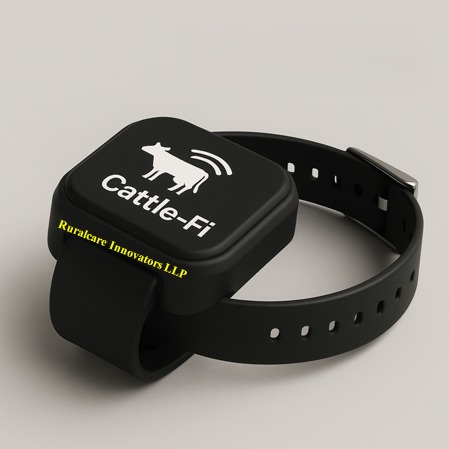
India has over 303 million cattle, yet a vast majority of rural farmers rely on manual observation for monitoring animal health and predicting calving, leading to delayed detection of diseases, missed birthing alerts, and significant economic loss. Over 30% of calving events go unnoticed until complications arise, while up to 40% of cattle infections like mastitis or oral lesions remain undiagnosed in early stages, reducing milk yield and increasing veterinary costs. There is a critical need for a